While we celebrate AI productivity gains, Taiwan is a live case study of what happens when the AI winners and everyone else diverge hard.
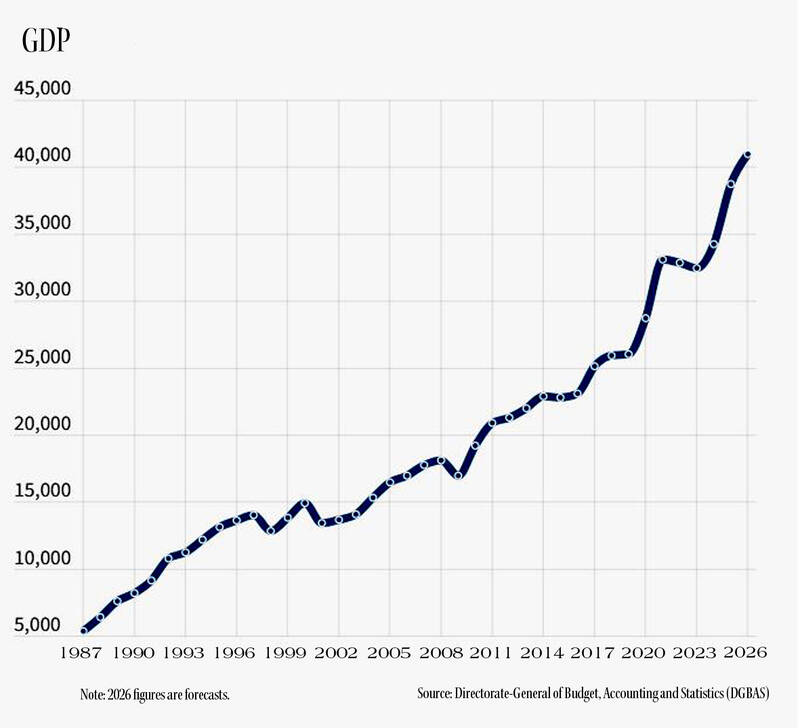
Everyone loves the “AI is boosting GDP” story—until you look at who actually gets the boost. An economist in Taiwan just called out a clear K‑shaped pattern in the country’s AI‑driven growth: the electronics and semiconductor industries are thriving, while large parts of the service sector are stuck with low wages.[4] Taiwan’s overall economy is hitting multi‑year highs, but most of that upside is coming from AI‑related exports.[4]
Here’s the kicker: out of roughly 11 million employed people, more than 7 million are in relatively low‑paying service jobs, while only about 1 million work in electronics, including 300,000 in semiconductors—the main AI beneficiaries.[4] So you have this world‑class AI hardware hub, but the gains are heavily concentrated. The government is now explicitly talking about using AI to help “old‑economy” and service‑sector businesses upgrade so growth is more balanced.[4]
For developers, this is a reality check. If we keep building AI tools that mostly help the already‑productive sectors—big tech, finance, chipmakers—we’re reinforcing that K‑shape in our own economies. The more interesting challenge is: what does an AI product look like that genuinely moves the needle for small service businesses, frontline workers, or legacy industries, not just the usual suspects?
So as you think about your next AI project, are you optimizing for the companies already winning the game, or can you design something that actually flattens the K just a little bit where you live?
Source: Taipei Times