Samsung’s new “Bespoke AI” pitch is basically: what if every appliance in your home became a semi-intelligent agent that watches, listens, and adapts to you?
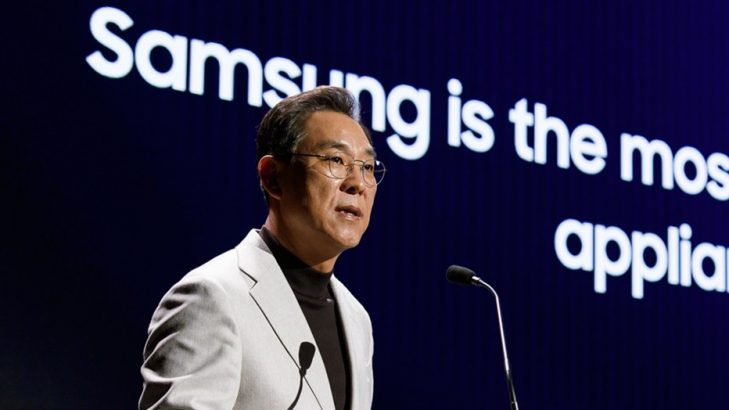
Samsung just laid out its vision for what it calls “Home Companions” — AI-powered appliances that see, hear, and respond to you across your entire house.[4] We’re not talking about a slightly smarter fridge; we’re talking cameras, microphones, screens, and Bixby baked into devices that coordinate through SmartThings to act like a unified AI layer for your home.[4] Love it or hate it, this is what the next wave of AI is going to look like for normal people.
The interesting part for developers is that this isn’t just “AI on your phone” anymore — it’s an ambient compute platform disguised as appliances. Samsung is explicitly talking about appliances, TVs, and mobile devices working together as a broader AI ecosystem, adapting to your routines and even local languages and energy usage patterns.[4] That’s way more like a network of agents than a single chatbot. If you build anything related to smart homes, automation, or even just consumer apps, this is the kind of ecosystem you’re going to be integrating with.
There’s also a big “platform risk” angle here. When one vendor controls the AI layer that sits between users and their devices, they effectively become the OS of the physical world in that environment. As devs, that means we either build on top of these ecosystems (SmartThings, etc.) or risk being invisible to users who live inside them. It’s the same story as iOS/Android, just extended to your washing machine and HVAC.[4]
So I’m curious: if your target user’s home turns into a mesh of AI agents they barely notice, are you planning to integrate with that fabric — or are you still building like everything starts and ends on a single screen?
Source: Samsung Newsroom