Putting trillions into hardware for a single model family is the riskiest software bet you’ll never admit to making.
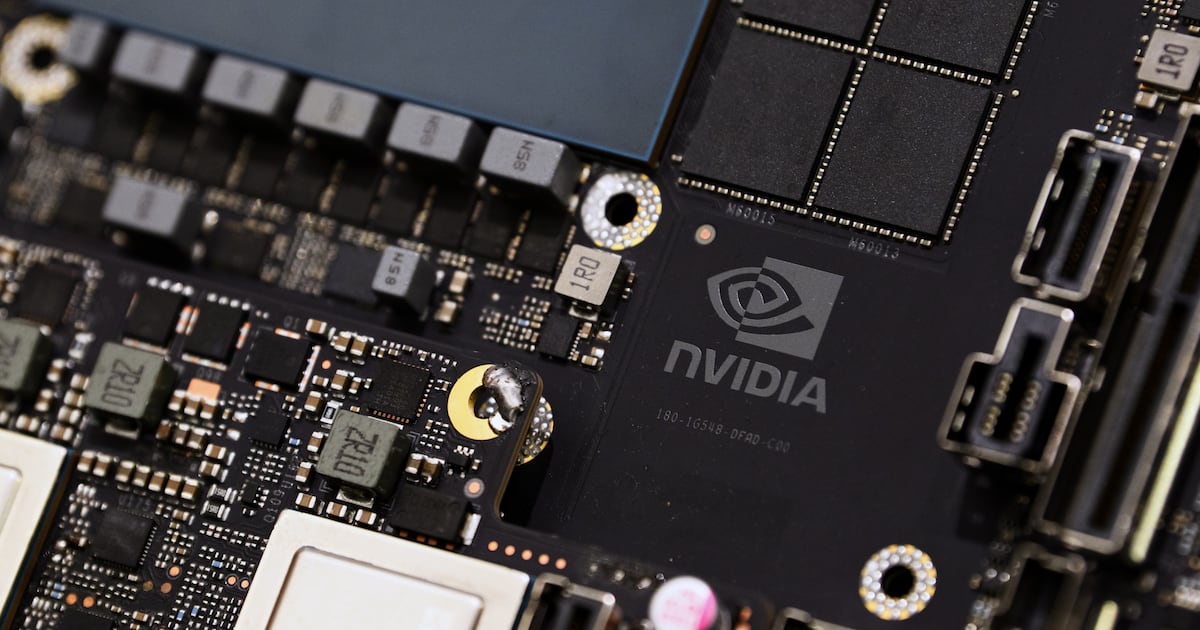
Hot take: centralizing global AI infrastructure around a handful of LLMs and a single hardware stack is not strategy — it’s vulnerability. The National News lays out how massive capital flows into chips, data centres and cooling are being optimized for running today’s dominant transformer-based large language models, creating a fragile dependency on a tiny set of architectures and suppliers[1].
What happened: investors and hyperscalers funneled unprecedented spending into building compute capacity tuned for models like ChatGPT and Claude, and companies signed multi-hundred-billion-dollar commitments to secure GPU fleets[1]. The troubling part is the payoff: recent generations of top models have required exponentially more compute for only marginal performance gains, meaning the “race to scale” might hit diminishing returns while locking the industry into one expensive path[1].
Why it matters to you as a developer: this affects model availability, costs, and platform choice. If infrastructure economics are brittle, startups and open-source projects will feel the squeeze — higher inference costs, vendor lock-in, and fewer alternatives for deploying innovation. Practically, that means you should design systems to be model-agnostic where possible, benchmark smaller models that match your real needs, and push for multi-vendor and hardware-agnostic deployment strategies rather than betting everything on one cloud or chip vendor[1].
My take: I’m skeptical of ‘bigger is always better’ narratives — they make great headlines but terrible architecture. Hedging matters: invest in model-efficient approaches (distillation, quantization), diversify runtimes, and pressure providers for clearer TCOs. What trade-offs are you willing to accept to avoid being locked into someone else’s trillion-dollar bet?
Source: The National News